

The e-commerce landscape is moving faster than ever, and dropshipping remains one of the most accessible ways to build a profitable online business. But let’s be honest: the days of haphazardly importing products from unverified suppliers and hoping for the best are long gone. Today, success in e-commerce requires precision, automation, and a bulletproof supply chain. At the center of this supply chain is the software you choose to connect your store with your suppliers. Sort out the best dropship app for shopify.
If you are hunting for the best dropship app for Shopify, you are in the right place. Choosing the right application is the equivalent of hiring a warehouse manager, a sourcing agent, and a logistics coordinator all at once. The right app will automate your fulfillment, sync your inventory, and keep your customers happy with fast shipping. The wrong app will leave you drowning in customer service emails about delayed packages.
In this comprehensive guide, we are going to dive deep into the Shopify dropshipping ecosystem. We will explore everything from finding the fastest shipping solutions to navigating complex automation tools, ensuring you have the exact knowledge needed to scale your store profitably.
The Evolution of Shopify Dropshipping Apps
To understand where we are, we have to look at where we started. For years, Oberlo was the undisputed king of the Shopify dropshipping space. It was the default app that introduced millions of entrepreneurs to the business model. However, when Shopify officially sunset Oberlo in 2022, it left a massive vacuum in the market.
This transition turned out to be a blessing in disguise. The shutdown forced innovation, leading to a surge of top rated Oberlo alternatives for Shopify. These modern applications have far surpassed the original Oberlo in terms of functionality. Today’s apps don’t just import products; they offer real-time inventory syncing, automated pricing rules, multi-supplier mapping, and intelligent routing.
Whether you are looking for the absolute best dropship app for Shopify to run a general store, or specialized plugins for a micro-niche, the current ecosystem is incredibly robust.
Core Criteria: Setting the Foundation for Success
Before we compare specific apps, we need to establish the criteria for what makes a dropshipping app truly great. Software features are important, but they mean nothing if the underlying suppliers are subpar.
How to Choose a Reliable Dropshipping Supplier
Your business is only as good as your supplier. When a customer receives a defective product or a package three weeks late, they don’t blame the supplier—they blame your brand. Therefore, understanding how to choose a reliable dropshipping supplier is your first line of defense.
Look for apps that offer strict vetting processes. The best platforms act as gatekeepers, ensuring that only suppliers with proven track records are allowed onto their network.
Vetting Wholesale Suppliers for Shopify Stores
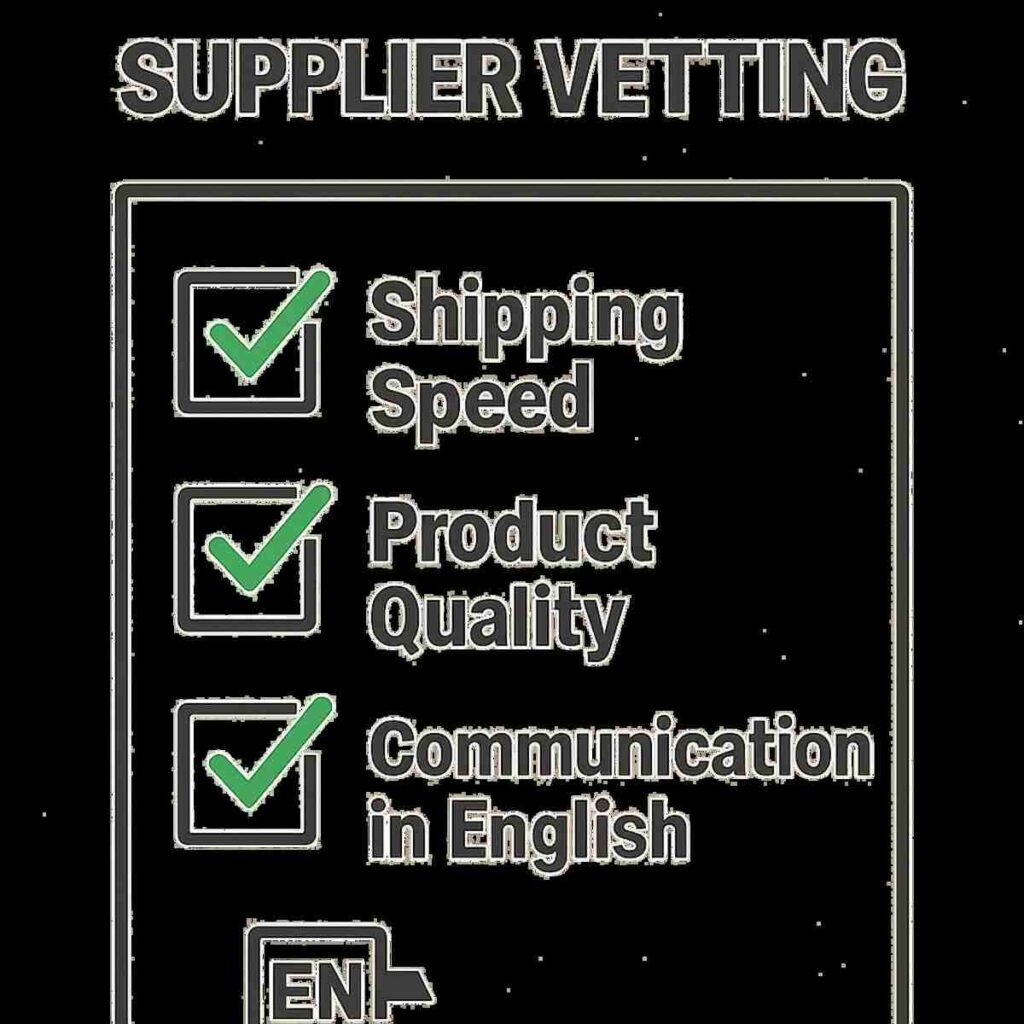
When you move beyond basic marketplaces and start vetting wholesale suppliers for Shopify stores, you need to look at specific metrics:
- Fulfillment Speed: How quickly does the supplier process an order before handing it to the carrier? (Look for 1-3 days maximum).
- Communication: Does the supplier respond to inquiries within 24 hours?
- Return Policies: Do they offer fair dispute resolution for damaged or missing goods?
- Product Quality: Can you easily order sample products to test quality before importing them to your store?
The Heavyweights: Comparing the Best Dropship Apps for Shopify
Let’s break down the leading platforms dominating the Shopify ecosystem today. Each of these apps serves a specific type of merchant, from the absolute beginner to the enterprise-level dropshipper.
1. DSers: The AliExpress Standard
When Oberlo closed its doors, DSers was crowned the official AliExpress dropshipping partner. If your business model relies heavily on the vast catalog and low pricing of AliExpress, DSers is highly likely the best dropship app for Shopify for your specific needs.
Key Features:
- Supplier Optimizer: This is DSers’ standout feature. It allows you to find alternative suppliers selling the exact same product with better ratings or lower prices with a single click.
- Bulk Ordering: You can place hundreds of orders to AliExpress in seconds, a massive time-saver for scaling stores.
- Variant Mapping: Easily map different product variants (like color or size) to different suppliers to ensure you are always getting the best deal.
The Verdict: DSers is an absolute powerhouse for AliExpress sourcing, but it still relies on the inherent shipping times of Chinese suppliers.
2. Spocket: The Western Champion
If you want to move away from long shipping times, Spocket is widely considered one of the best dropship apps for Shopify. Spocket focuses on sourcing products from the US, Europe, Canada, and Australia.
Key Features:
- Fast Shipping: Because suppliers are located closer to Western customers, shipping times drop from weeks to mere days.
- High-Quality Products: Spocket heavily vets its suppliers, resulting in a higher caliber of goods.
- Branded Invoicing: You can add your store’s logo and personalized notes to the packaging, enhancing the unboxing experience.
Spocket vs DSers for International Shipping
A common debate among merchants is Spocket vs DSers for international shipping. The choice comes down to your primary customer base and your margin strategy.
- DSers is vastly superior if you are selling globally to emerging markets, or if your primary competitive advantage is price. AliExpress has cheap, global ePacket shipping.
- Spocket wins by a landslide if your target audience is in the US or EU. Customers in these regions expect Amazon-like shipping speeds. Spocket allows you to deliver in 2-5 days locally, drastically reducing customer service complaints and chargebacks, though your base product costs will be higher.
3. CJ Dropshipping: The All-in-One Powerhouse
A frequent question from entrepreneurs is: what are the fastest shipping dropship apps that still offer competitive Chinese wholesale pricing? CJ Dropshipping is the answer. CJ operates as an app, a supplier, and a fulfillment center all rolled into one.
Key Features:
- Global Warehouses: CJ has warehouses in the US, Germany, Thailand, and Indonesia. You can buy inventory upfront, store it in their US warehouse, and achieve 2-5 day local shipping.
- Sourcing Requests: If you find a product on AliExpress or TikTok, you can post a sourcing request to CJ. Their team will find the manufacturer and list the product for you, often at a lower price.
- Custom Packaging: They offer extensive custom packaging options, allowing you to build a real brand identity right from the start.
4. AutoDS: The Automation Master
For store owners who want to run their business on autopilot, AutoDS is a premium choice. It is one of the most comprehensive automated order fulfillment apps for e-commerce, designed to eliminate manual data entry entirely.
Key Features:
- Price and Stock Monitoring: AutoDS scans your suppliers constantly. If a supplier raises their price, AutoDS automatically adjusts your Shopify price to protect your profit margins.
- One-Click Import: Import full product descriptions, images, and variations with a single click from over 25 different global suppliers (including Amazon, Wayfair, and Alibaba).
- Automated Fulfillment: When an order comes in, AutoDS automatically funds the order and processes it with the supplier without you lifting a finger.
Specialized Dropshipping Solutions
General stores are great, but the real money in modern e-commerce often lies in specific niches. Let’s explore specialized apps tailored for distinct business models.
Integrating Print on Demand Services with Shopify
Print on Demand (POD) is a specialized form of dropshipping where products (t-shirts, mugs, canvases) are printed only after an order is placed. Integrating print on demand services with Shopify is incredibly seamless today.
Apps like Printful and Printify lead this space. They offer direct integration, meaning you design the product, push it to your store, and the app handles the printing, packing, and shipping. Because POD products are unique to your brand, they command higher profit margins and foster deep brand loyalty.
High Ticket Dropshipping Plugins for Shopify Stores
Instead of selling hundreds of $20 items, what if you sold ten $2,000 items? High ticket dropshipping focuses on premium products like luxury furniture, commercial kitchen equipment, or electric bikes.
Finding high ticket dropshipping plugins for Shopify stores requires looking beyond the usual suspects. Apps like BrandsGateway (for luxury fashion) or utilizing direct B2B integration apps like SyncLogic allow you to connect directly with domestic premium suppliers. The margins here are massive, but it requires top-tier customer service and sophisticated Google Ads marketing to succeed.
White Label Dropshipping Solutions for Branding
Consumers are becoming blind to generic products. They want to buy from real brands. White label dropshipping allows you to put your own logo on manufactured goods.
If you are looking for white label dropshipping solutions for branding, consider apps like Supliful (for supplements and skincare) or Dripshipper (for private label coffee). These apps allow you to design custom labels for high-quality, FDA-compliant products. You get the branding power of a massive company without holding any physical inventory.
Sustainable Eco-Friendly Dropshipping Suppliers
The modern consumer votes with their wallet, and sustainability is a massive purchasing driver. Finding sustainable eco-friendly dropshipping suppliers is no longer just a nice-to-have; for many demographics, it’s a requirement.
Apps like Zendrop and Spocket now feature dedicated “Eco-friendly” filters. Furthermore, specialized apps like Syncee allow you to filter for B2B suppliers that use sustainable materials, ethical labor practices, and carbon-neutral shipping methods. Building an eco-conscious dropshipping brand is a fantastic way to differentiate yourself in a crowded market.
Operations, Logistics, and Automation
Finding a product is only 20% of the battle. The other 80% is operations. As your order volume scales from 5 to 50 to 500 orders a day, manual processes will break your business. You need robust software to handle the heavy lifting.
The Importance of Shopify Inventory Management
When you don’t control your warehouse, you are completely at the mercy of your supplier’s stock levels. Effective Shopify inventory management is critical. Imagine running a highly profitable Facebook ad campaign, generating 100 sales overnight, only to wake up and realize your supplier sold out of the item three days ago. You now have to refund 100 angry customers, losing thousands in ad spend and taking a massive hit to your payment gateway’s trust score.
Syncing Real-Time Product Data to Shopify
To prevent stockouts, your chosen app must excel at syncing real-time product data to Shopify. Top-tier apps use API connections to ping the supplier’s database multiple times a day. If a supplier drops down to 5 units, your Shopify store instantly reflects that scarcity. If the supplier changes the wholesale cost, your app should automatically update your retail price to maintain your set margin percentage.
Dropshipping Inventory Management Software Pricing
When building your tech stack, you must consider dropshipping inventory management software pricing.
- Basic Tier (Free to $20/month): Usually limits you to 500-1000 products and only syncs inventory once every 24 hours. Good for starting out.
- Pro Tier ($40 to $80/month): Allows for 5,000+ products, real-time syncing, and automated pricing rules.
- Enterprise Tier ($100+/month): Unlocks multiple supplier mapping, advanced analytics, and dedicated account managers.
Do not skimp on inventory software. Paying $50 a month to prevent a single $100 out-of-stock refund pays for itself instantly.
Setting Up Automated Tracking Numbers for Customers
Customer anxiety is highest between the moment they pay and the moment the package arrives. Setting up automated tracking numbers for customers is non-negotiable for a professional store.
When utilizing automated order fulfillment apps for e-commerce (like DSers, CJ Dropshipping, or AutoDS), the workflow should look like this:
- Customer buys on your Shopify store.
- App automatically sends the order to the supplier.
- Supplier packs the item and generates a shipping label.
- The app pulls the tracking number from the supplier via API.
- The app pushes the tracking number into Shopify.
- Shopify automatically triggers the “Your Order Has Shipped” email to the customer.
This entire process should happen while you sleep. If you are manually copying and pasting tracking numbers from AliExpress to Shopify, you are wasting valuable time that could be spent on marketing.
Navigating the Financials and Getting Started
Starting a dropshipping business is inherently low-risk, but it is not entirely free. Let’s look at how to get started on a budget and how to source effectively.
Best Free Dropshipping Apps for Beginners
If you are bootstrapping your business, you don’t need to spend hundreds of dollars on software right out of the gate. Some of the best free dropshipping apps for beginners offer highly capable “Freemium” plans.
- DSers: Offers an incredibly robust free plan that allows you to manage up to 3,000 products and process unlimited orders. It is the best starting point for AliExpress dropshippers.
- Zendrop: Offers a free tier that gives you access to their platform, 50 orders a month, and 24/7 support, making it great for testing US-based dropshipping without upfront software costs.
- Printify: Completely free to use; you only pay when an order is placed and the item is printed.
Global Sourcing Marketplaces for Small Business Owners
As you outgrow the basic apps, you may want to deal directly with manufacturers to secure better pricing and custom packaging. Navigating global sourcing marketplaces for small business owners can be intimidating, but platforms like Alibaba have made massive strides in integrating with Shopify.
Using the Alibaba Dropshipping app, you can source directly from factory-direct manufacturers. This differs from AliExpress (which is primarily B2C or small B2B). Alibaba gives you access to the actual factories making the goods, allowing for much higher profit margins, though it often requires more rigorous communication and negotiation skills.
Best Practices for Dropshipping Success in 2024 and Beyond
Having the best dropship app for Shopify is only part of the equation. To build a sustainable business, you must pair your logistics software with excellent store operations.
1. Build a Cohesive App Stack
Dropshipping apps don’t work in isolation. To maximize your conversion rates, you need to surround your sourcing app with other top Shopify apps.
- Reviews: Use apps like Loox or Judge.me to import photo reviews from your dropshipping suppliers directly to your product pages. Social proof is vital.
- Upselling: Use apps like ReConvert to offer post-purchase upsells. If a customer buys a flashlight, automatically offer them rechargeable batteries at a 20% discount.
- Customer Support: Integrate a helpdesk app like Gorgias to manage customer inquiries efficiently. Gorgias integrates directly with Shopify, so when a customer asks “Where is my order?”, you can see their tracking data right next to their email.
2. Prioritize the Customer Experience
Because you don’t control the shipping speed entirely, you must over-index on customer service. Be radically transparent about shipping times on your product pages and in your FAQ section. If a package is delayed, proactively reach out to the customer with an apology and a discount code for their next purchase before they even have a chance to complain.
3. Move Towards Private Labeling
Use dropshipping as a testing ground. Once you find a winning product using an app like DSers or Spocket, and you are consistently selling 20-30 units a day, transition away from pure dropshipping. Use the data you’ve gathered to bulk order the product, brand the packaging, and utilize a Third-Party Logistics (3PL) provider. This evolution from dropshipper to established brand is how long-term wealth is built in e-commerce.
Conclusion
Building a successful e-commerce store requires a delicate balance of marketing, customer psychology, and rock-solid logistics. By taking the time to thoroughly compare Shopify’s best dropshipping solutions, you are setting a foundation that can scale.
Whether you choose DSers for its massive AliExpress catalog, Spocket for its rapid Western shipping, or CJ Dropshipping for its hybrid warehousing model, the goal remains the same: automate the mundane tasks so you can focus on growing your brand.
Remember, there is no single “perfect” app. The best dropship app for Shopify is the one that aligns with your niche, your budget, and your long-term business goals. Stop searching for shortcuts, start vetting your suppliers rigorously, leverage automation to protect your margins, and start building the e-commerce empire you envision.
